
In the fast-paced world of fashion, visuals are everything. Customers often make purchasing decisions based on what they see, not touch. This makes high-quality product photography a critical element for fashion brands, both online and offline. Effective fashion product photography showcases your clothing, accessories, and footwear in a way that highlights quality, style, and fit, ultimately influencing buying decisions and building brand credibility.
For fashion brands, the right images can set you apart in a crowded market, enhance your brand identity, and increase conversions. This article explores the essential aspects of fashion product photography, industry-specific best practices, and strategies to help fashion brands stand out.
Why Fashion Brands Need Professional Product Photography
Fashion is a highly visual industry, and product photography plays a pivotal role in shaping customer perceptions. Here’s why professional photography is essential for fashion brands:
- First Impressions Matter: High-quality images convey professionalism and reliability, while poor images can make even premium products seem low-value.
- Showcase Details and Textures: Fabrics, patterns, stitching, and finishes are crucial selling points. Photography must highlight these features clearly.
- Enhance Brand Identity: Consistent, well-composed images communicate your brand’s style, whether it’s minimalistic, edgy, luxury, or playful.
- Boost Online Conversions: Detailed and accurate images reduce hesitation and increase the likelihood of purchase.
- Minimize Returns: When customers understand fit, color, and quality, returns due to unmet expectations are significantly reduced.
Fashion customers rely heavily on visuals to imagine how garments will look and feel. Exceptional product photography bridges the gap between the digital experience and physical reality.
Key Types of Fashion Product Photography
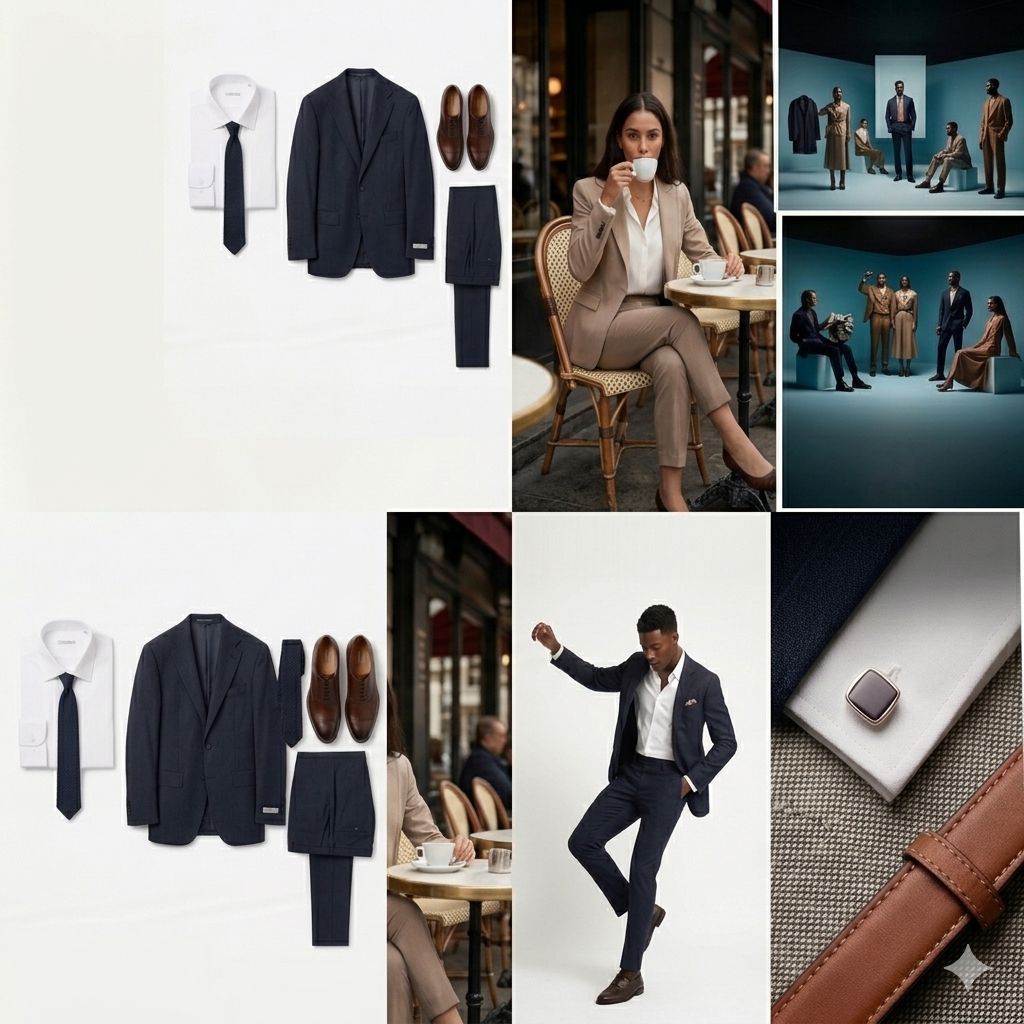
Fashion brands require multiple styles of photography to appeal to diverse audiences and sales channels.
1. White Background/Product-Only Shots
These are clean, studio-captured images that focus entirely on the product, often used for e-commerce catalogs and online marketplaces.
Benefits:
- Highlights the garment without distractions
- Meets e-commerce platform requirements
- Creates a professional and uniform appearance
Best For: Basic product catalogs, online stores, and marketplaces like Amazon or ASOS.
2. Lifestyle Photography
Lifestyle images show clothing or accessories in real-world settings. Models may wear outfits in everyday environments, capturing how the product fits and moves.
Benefits:
- Helps customers visualize wearing the product
- Adds context and storytelling to your brand
- Increases engagement on social media and marketing campaigns
Best For: Apparel collections, seasonal campaigns, influencer collaborations.
3. Model Photography / On-Body Shots
Using live models helps customers see the product’s fit, proportions, and silhouette. This style is especially important for fashion items where fit is a key consideration.
Benefits:
- Shows accurate sizing and draping
- Highlights product versatility
- Supports lifestyle and editorial campaigns
Best For: Dresses, outerwear, activewear, and tailored items.
4. Detail and Close-Up Shots
Close-ups focus on craftsmanship, materials, stitching, buttons, embellishments, or textures. They provide the tactile cues customers can’t experience online.
Benefits:
- Highlights product quality and attention to detail
- Enhances perceived value
- Supports premium or luxury positioning
Best For: Designer wear, jewelry, handbags, and premium accessories.
5. Editorial and Campaign Photography
Editorial shoots combine fashion photography with creative storytelling, often used in marketing campaigns, lookbooks, and social media content.
Benefits:
- Strengthens brand identity and storytelling
- Drives engagement through striking visuals
- Differentiates your brand in a competitive market
Best For: Seasonal campaigns, fashion magazines, Instagram or TikTok promotions.
Best Practices for Fashion Product Photography
- Prioritize Lighting: Proper lighting ensures colors, textures, and patterns appear true to life. Use soft, even lighting to minimize shadows and enhance fabric details.
- Consistency Across Collections: Uniform backgrounds, angles, and image dimensions maintain a professional e-commerce storefront.
- Multiple Angles: Front, back, side, and 45-degree views help customers fully evaluate fit and style.
- Accurate Color Representation: Use color calibration to ensure product colors match reality. Misrepresented colors can lead to returns and dissatisfied customers.
- Incorporate Lifestyle Context: Lifestyle and model shots help customers visualize usage, style combinations, and occasions.
- Focus on Fit and Proportions: Show how the clothing fits on a model of average size, or provide multiple model sizes to demonstrate versatility.
- Optimize for Online Platforms: High-resolution images are essential, but also ensure images are compressed for fast loading on websites and mobile devices.
- Include Detailed Shots: Highlight unique features like embroidery, stitching, textures, or hardware to enhance perceived value.
How Fashion Brands Can Maximize Photography ROI
- Use Images Across Channels: Repurpose high-quality product photos for social media, email marketing, and paid advertising.
- Create Lookbooks: Showcase complete outfits or seasonal collections to inspire customers and encourage multi-item purchases.
- Leverage Interactive Formats: 360-degree spins or videos provide dynamic views of the garments, improving engagement and reducing returns.
- Collaborate with Influencers or Models: Featuring real people in relatable contexts helps customers imagine themselves wearing the product.
- Plan Seasonal Shoots: Align photography with upcoming campaigns or seasonal trends for maximum relevance.
Investing in professional product photography ensures images not only look appealing but also actively support marketing and sales strategies.
Conclusion
For fashion brands, product photography is far more than just capturing images—it’s a critical marketing tool that drives customer engagement, builds trust, and increases sales. From clean studio shots to lifestyle and editorial photography, each style plays a role in presenting your brand professionally and appealingly. By prioritizing high-quality visuals, maintaining consistency, and showcasing both fit and details, fashion brands can elevate their online presence and convert browsing into purchasing with confidence.
Professional product photography is an investment that pays off in brand credibility, customer satisfaction, and long-term growth.
FAQs
Q1. Why is professional product photography important for fashion brands?
Ans. It builds trust, showcases details, and influences purchasing decisions, which are crucial in a visually-driven industry.
Q2. What types of photography do fashion brands need?
Ans. White-background shots, lifestyle photography, model/on-body shots, close-ups, and editorial campaigns are common types.
Q3. How many images should I provide per fashion item?
Ans. At least 4–6 images per item, including front, back, side views, and detailed shots, is recommended.
Q4. Do I need professional models for my product photography?
Ans. While not always necessary, using models can help showcase fit, proportions, and styling options, improving customer confidence.
Q5. How important is color accuracy?
Ans. Color accuracy is critical. Misrepresented colors can lead to returns and damage your brand reputation.
Q6. Can lifestyle shots improve sales?
Ans. Yes, lifestyle images help customers visualize products in real-life settings, increasing engagement and purchase intent.
Q7. Should I include close-up shots of my products?
Ans. Yes, close-ups highlight quality, craftsmanship, and unique features, adding perceived value.
Q8. How do I maintain consistency across a fashion catalog?
Ans. Use consistent lighting, backgrounds, angles, image sizes, and post-processing techniques across all products.
Q9. Can fashion product photography be used for marketing campaigns?
Ans. Absolutely. High-quality images can be repurposed for social media, email marketing, paid ads, lookbooks, and seasonal promotions.
Q10. How do I choose the right photographer for my fashion brand?
Ans. Look for a photographer with experience in fashion, a strong portfolio, knowledge of lighting and styling, and the ability to understand and convey your brand identity.